
Key Takeaways
- PRP stands for platelet-rich plasma, a concentrate made from a small sample of your own blood.
- A centrifuge separates and concentrates platelets, which carry growth factors involved in the body's natural repair processes.
- In aesthetic care, PRP is commonly used with microneedling for skin quality and injected for hair thinning concerns.
- Evidence varies by use, results are gradual and individual, and no provider can promise a specific outcome.
- A licensed provider can explain candidacy, risks, alternatives, and what to ask before deciding whether PRP is right for you.
Request an Appointment(opens in a new tab)
You may have seen PRP mentioned in skin care, hair restoration, and sports medicine and wondered what it actually is and how it works. In plain terms, PRP is platelet-rich plasma made from your own blood. This guide explains how it is prepared, how it is used in aesthetic care, what its limits and risks are, and what to ask, alongside Prestige MedSpa's PRP treatments(opens in a new tab).
What PRP Means
PRP stands for platelet-rich plasma. Plasma is the liquid portion of blood, and platelets are small cell fragments best known for helping blood clot. Platelets also contain growth factors, which are proteins involved in the body's repair and healing processes, and that is the reason PRP has drawn so much interest from researchers and clinicians.
PRP is described as autologous, which means it comes from the person being treated rather than from a donor. That does not make it risk free, but it avoids the use of donor material. A licensed provider should still screen your history and explain risks before any treatment begins, including how they handle your sample.
The concept has been used in several medical fields for years, including orthopedics and wound care, and it later moved into aesthetic care. Evidence differs by use, so a thoughtful provider describes what is known, what is still being studied, and where expectations should be cautious.
How PRP Is Prepared
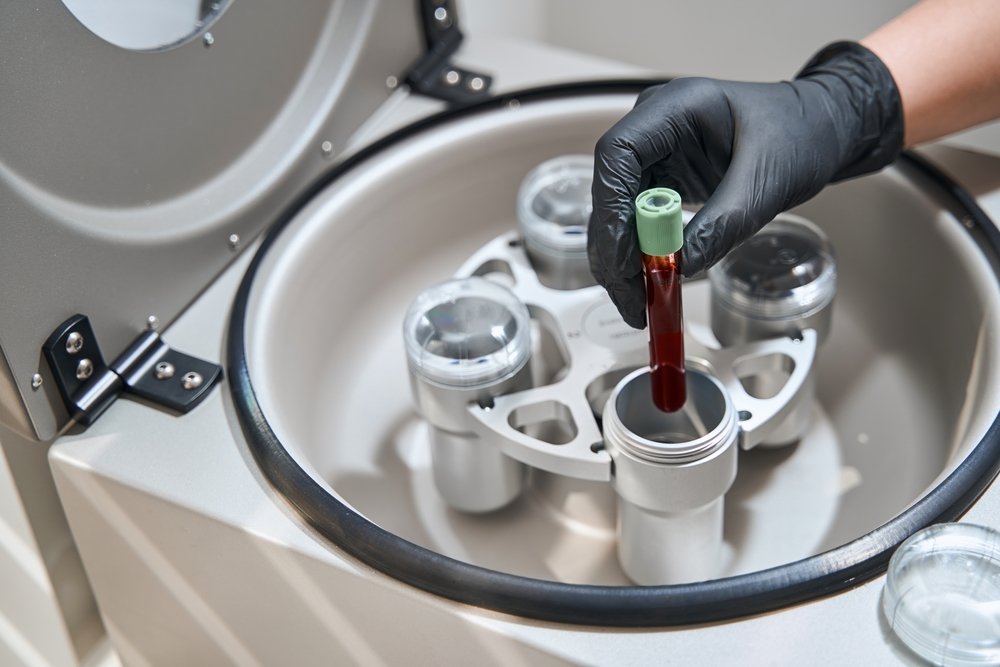
Preparation starts with a small blood draw, similar to a routine lab test. The amount depends on the protocol and treatment area, and most people tolerate the draw well. The sample is placed in a sterile tube and spun in a centrifuge, which separates blood components by density so that platelets can be concentrated.
The platelet-rich layer is then collected for use during the same visit. Techniques differ between providers, including spin speed, tube type, and whether additives are used, which can change the final product. It is reasonable to ask how your plasma is prepared and handled, and what steps are taken to keep the process sterile.
A related preparation called PRF forms a fibrin matrix with a thicker, gel-like texture. Our comparison of PRP vs PRF(opens in a new tab) explains the differences. Which option is used depends on the treatment goal and the provider's protocols, so ask what is available and why it is recommended for you in particular.
How PRP Is Used in Aesthetic Care
For skin, PRP is commonly applied during or after microneedling, a combination often called the vampire facial. Prestige MedSpa explains this approach on the vampire facial page(opens in a new tab), and our guide to microneedling with PRP(opens in a new tab) describes what a session involves. It is discussed for texture, tone, and fine lines, and the downtime is usually modest.
PRP is also injected into the scalp for thinning hair, usually as a series of sessions. Our article on PRP for hair loss(opens in a new tab) explains who may be a candidate and what evidence exists. Results are gradual, vary between people, and are typically described as supportive rather than as a cure for thinning.
Providers also discuss PRP in other delicate areas and as part of broader plans. Prestige MedSpa lists its facial treatments(opens in a new tab) for context, and the vampire facial guide(opens in a new tab) on our blog adds detail. Whether PRP is appropriate for you depends on your goals, your history, and the clinician's assessment of your skin or scalp.
Benefits, Limits, and Risks
Potential benefits people discuss include improved-looking skin quality, support for thinning hair, and the appeal of using your own blood. Changes tend to be subtle and gradual, and they may require several sessions. Keep in mind that research quality varies, and many studies are small or use different methods.
Limits matter too. PRP does not replace surgery, it does not stop aging, and it cannot create dramatic change in one visit. It may not suit deep scarring, significant sagging, or hair follicles that are no longer active. Our guide to how long PRP injections last(opens in a new tab) explains why maintenance is often discussed.
Risks include bruising, swelling, tenderness, infection, uneven results, and rarely nerve or vascular irritation depending on the area. Some people may need to avoid PRP, including those with certain blood disorders, active infections, pregnancy, or blood-thinning medication. Never stop prescribed medication without speaking to the clinician who prescribed it.
What to Ask Before Treatment
Ask who will perform the treatment, what training they have, how the plasma is prepared, and what results are realistic for your goals. You can learn about the practice on the About page(opens in a new tab) and meet the clinicians on the Providers page(opens in a new tab) before you book a visit, so you know who may be treating you.
Ask how many sessions are recommended, what the downtime looks like, how complications are handled, and what alternatives exist. Prestige MedSpa lists all of its services(opens in a new tab) online, which can help you compare options and prepare a list of questions for your consultation, so nothing important is forgotten.
Bring photos, a complete list of medications and supplements, and a clear description of your goals. This article is educational and does not replace personalized medical advice. A licensed clinician who has examined you can explain whether PRP is appropriate and what a sensible plan might look like for you over the coming months.
PRP at a Glance
| Topic | Summary |
|---|---|
| Source | A small sample of your own blood, drawn during your visit |
| Preparation | A centrifuge separates and concentrates platelets in plasma |
| Common uses | Skin rejuvenation with microneedling and thinning hair concerns |
| Key limit | Results vary between people and research is still developing |
| Typical risks | Bruising, swelling, tenderness, or infection in some cases |
| Who decides | A licensed provider after reviewing your history |
Learn More About PRP at Prestige MedSpa
If you are curious whether PRP could fit your goals, a consultation is the best place to start asking your questions. Visit the Prestige MedSpa home page(opens in a new tab), then request an appointment in Rome(opens in a new tab), Roswell(opens in a new tab), Canton(opens in a new tab), Jasper(opens in a new tab), or Woodstock(opens in a new tab) to speak with a licensed clinician about your goals and next steps.
Request an Appointment(opens in a new tab)
Frequently Asked Questions
What does PRP stand for?
PRP stands for platelet-rich plasma. It is a concentrate made from a small sample of your own blood, in which platelets are separated and concentrated in plasma. Platelets contain growth factors involved in repair, which is why PRP is used in several medical and aesthetic settings.
Is PRP made from my own blood?
Yes, PRP is autologous, meaning it is prepared from your own blood during your visit. That avoids donor material, but it does not remove every risk. A licensed provider should explain risks, screen your history, and describe how your sample is prepared and handled.
What is PRP used for in aesthetics?
In aesthetic care, PRP is commonly paired with microneedling for skin quality and injected into the scalp for thinning hair concerns. Some providers discuss other areas. Evidence varies by use, so ask what is known, what is uncertain, and what results are realistic for you.
Is PRP safe?
PRP is generally considered low risk because it uses your own blood, but side effects such as bruising, swelling, tenderness, infection, and uneven results can occur. Certain health conditions and medications matter. A licensed clinician should screen your history and review risks before treatment.
How many PRP sessions will I need?
The number of sessions depends on your goals, the area treated, and how your body responds. Providers often discuss a series of sessions spaced several weeks apart, followed by optional maintenance. Your clinician can outline a plan after assessing you, without promising specific results.
