
Key Takeaways
- PRP and PRF are both made from your own blood, concentrated to deliver platelets and growth factors to the skin.
- PRP is prepared as a liquid plasma, while PRF forms a gel-like fibrin matrix that may release growth factors more gradually.
- Research comparing the two for aesthetic goals is still developing, so claims that one is superior deserve caution.
- Your goals, skin concerns, and medical history help a licensed provider decide whether a platelet-based treatment fits you.
- A consultation is the best way to learn which platelet treatments Prestige MedSpa offers and what to expect.
Request an Appointment(opens in a new tab)
Platelet-based treatments have moved from sports medicine into aesthetic care, and the terminology can be confusing. If you are weighing PRP vs PRF, it helps to understand how each is made, how each is used, and which questions to ask. This guide explains the differences in plain language, along with Prestige MedSpa's PRP treatments(opens in a new tab), so your consultation is more productive.
What PRP Is and How It Is Prepared
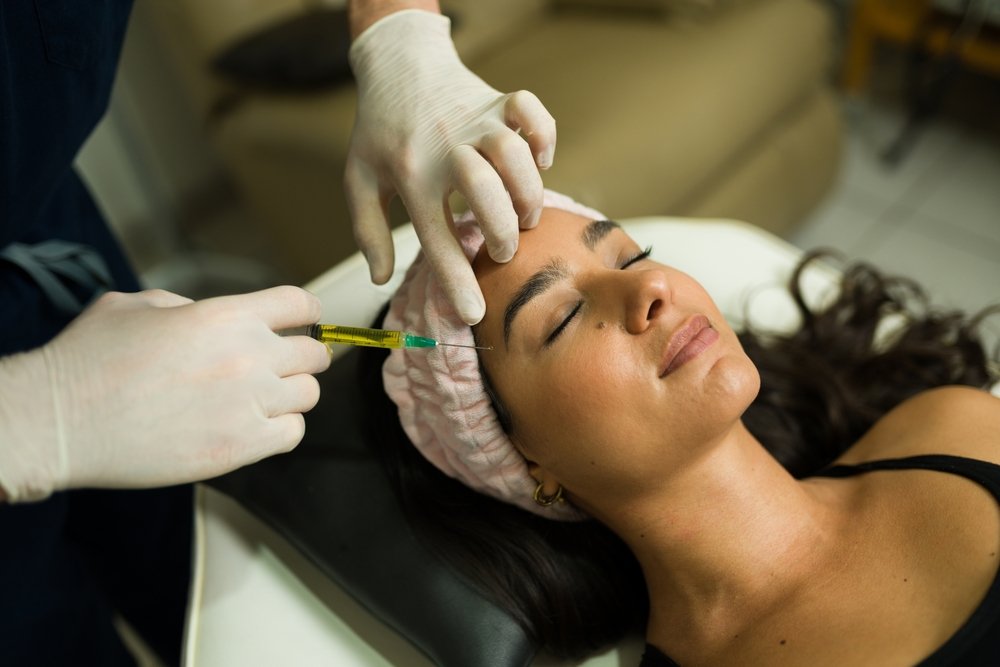
Platelet-rich plasma, or PRP, starts with a small blood draw. The sample is spun in a centrifuge so platelets separate from other blood components and concentrate in a layer of plasma. Our guide to what PRP is and how it is prepared(opens in a new tab) covers the process in more detail, including what happens after the draw.
Platelets carry growth factors that play a role in the body's natural repair processes. In facial aesthetic care(opens in a new tab), concentrated plasma may be applied to the skin after microneedling or injected into targeted areas. Providers use it to support skin quality, though individual responses vary and results depend on many factors such as age, skin condition, and lifestyle.
Because PRP comes from your own blood, it is an autologous product, meaning your body is not receiving donor material. That does not remove every risk, so a licensed provider should review your history first. Prestige MedSpa describes its approach on the PRP services page(opens in a new tab).
What PRF Is and How It Differs
Platelet-rich fibrin, or PRF, is also made from your own blood, but the preparation differs. The sample is typically spun at lower speeds and often without the anticoagulants used in some PRP protocols. The result is a fibrin matrix that holds platelets and other cells in a soft, gel-like structure that behaves differently once it is placed in the skin.
That matrix is why some providers describe PRF as releasing growth factors more gradually than liquid PRP. The idea appears in the literature, but direct comparisons in cosmetic settings remain limited. Treat any claim that one option is simply better with caution, and ask your provider what evidence they rely on.
Some providers consider PRF's gel-like texture for delicate zones such as the under-eye area, while PRP is more commonly paired with microneedling. Availability varies by practice and protocol, so it is worth asking directly. Our article on PRP under eyes(opens in a new tab) explains how platelet treatments are approached around the eyes.
How PRP and PRF Compare for Skin Goals
Both options aim to support skin renewal by delivering platelet-derived growth factors. Differences show up in preparation, texture, and how a provider applies the product, and these details can shape the treatment experience. For full-face skin quality, PRP is commonly combined with microneedling, as described in our guide to microneedling with PRP(opens in a new tab).
PRF's thicker consistency may suit targeted placement, while PRP's liquid form spreads easily across treated skin. Neither approach replaces daily sunscreen, a consistent skincare routine, or other treatments that address your specific concerns. Many patients combine platelet therapy with other facial treatments(opens in a new tab) as part of a longer plan.
Expectations matter more than labels. Platelet treatments generally work gradually, and visible change may take several weeks as skin remodels, so patience is part of the process. Our overview of how long PRP results last(opens in a new tab) outlines what influences the timeline, and the vampire facial guide(opens in a new tab) shows how PRP fits into a popular facial.
Who May Be a Candidate for Platelet Treatments
Candidacy depends on your skin concerns, health history, medications, and goals. People who are pregnant, have certain blood disorders or active skin infections, or take blood thinners may need a different plan or may not be suitable. A licensed provider reviews these details carefully before recommending any platelet-based treatment, and may suggest waiting or choosing an alternative.
Common concerns discussed in consultations include fine lines, texture, acne scarring, dullness, and early signs of aging. Platelet treatments are not designed to replace surgery or to deliver dramatic change in one visit. A realistic conversation about what is achievable helps you decide whether the plan fits your goals, schedule, and comfort level.
Because PRP and PRF both involve a blood draw, you may be asked to hydrate and avoid certain medications beforehand. Follow your provider's instructions closely. Never stop or change prescribed medication without speaking to the clinician who prescribed it, and always share any supplements you take.
Choosing a Provider and Preparing for a Consultation
Ask who performs the treatment, what training they have, and how the product is prepared and handled. Prestige MedSpa shares its story on the About page(opens in a new tab) and introduces its clinicians on the Providers page(opens in a new tab), which helps you understand who may be involved in your care and what experience they bring.
Bring photos, a list of medications, and questions about expected sessions, downtime, costs, and maintenance. Ask which platelet options are available for your concern rather than assuming a particular one, and what alternatives exist. Your provider can explain how the plan fits with other aesthetic services(opens in a new tab) you may already use, and how to space visits sensibly.
Prestige MedSpa welcomes patients at its Rome(opens in a new tab), Roswell(opens in a new tab), Canton(opens in a new tab), Jasper(opens in a new tab), and Woodstock(opens in a new tab) locations. Choose the most convenient one, then request a consultation to discuss whether PRP, PRF, or another option suits your skin and schedule. This article is educational and is not medical advice.
PRP vs PRF at a Glance
| Feature | PRP | PRF |
|---|---|---|
| Preparation | Blood spun to concentrate platelets in plasma | Blood spun at lower speeds to form a fibrin matrix |
| Texture | Liquid plasma that spreads easily | Soft, gel-like matrix that stays in place |
| Common pairing | Microneedling and targeted injections | Targeted placement in delicate areas such as under the eyes |
| Research | Broader body of aesthetic research | More limited aesthetic research so far |
Talk With Prestige MedSpa About Platelet Treatments
If you are comparing platelet-based options, a consultation can help you understand which approach fits your skin and goals. Visit the Prestige MedSpa home page(opens in a new tab) to learn about the practice and its treatments, then request an appointment to speak with a licensed clinician about your questions, expectations, and sensible next steps.
Request an Appointment(opens in a new tab)
Frequently Asked Questions
Is PRF better than PRP?
Neither is universally better. PRP is more widely studied for aesthetic use, while PRF has a thicker texture some providers prefer for certain areas. The right choice depends on your goals, your skin, and the protocols your provider offers, so ask for a personalized recommendation.
Does Prestige MedSpa offer both treatments?
Prestige MedSpa lists its PRP services online. Offerings can change over time, so a consultation is the best way to confirm which platelet-based options are currently available and whether they suit your skin concerns and goals with a licensed clinician.
Are PRP and PRF safe?
Both use your own blood, so no donor material is involved, but bruising, swelling, infection, and uneven results are still possible. A licensed provider should screen your history and explain risks before treatment. Share every medication and health condition so the plan stays appropriate.
How many sessions are needed?
Session numbers vary by concern and protocol. Some plans use a series of visits spaced several weeks apart, followed by maintenance if appropriate. Your provider can outline a schedule after assessing your skin. Individual response differs, so no specific outcome can be promised in advance.
Is there downtime after treatment?
Downtime depends on how the product is applied. Mild redness, swelling, or tenderness is commonly discussed after microneedling-based treatments and often settles within days, though this varies. Follow your provider's aftercare instructions and contact the clinic if anything seems unusual.
