
Key Takeaways
- PRP under the eyes uses platelet-rich plasma from your own blood to support the thin, delicate skin around the eyes.
- People commonly ask about it for fine lines, crepey texture, and dark circles, though responses vary and results are gradual.
- It does not replace fillers, which address volume loss, so a provider must identify what is causing your concerns.
- The area is delicate, so technique, training, and careful screening matter more than usual for this treatment.
- A licensed provider can explain realistic expectations, risks, and alternatives before you decide whether it is right for you.
Request an Appointment(opens in a new tab)
The skin under the eyes is thin and shows fatigue, aging, and genetics early. That is why PRP under eyes is a popular search. The treatment uses platelet-rich plasma from your own blood, but it is not right for every concern. This guide explains how it works, who may be a candidate, and what to ask, alongside Prestige MedSpa's PRP treatments(opens in a new tab).
What PRP Under the Eyes Involves
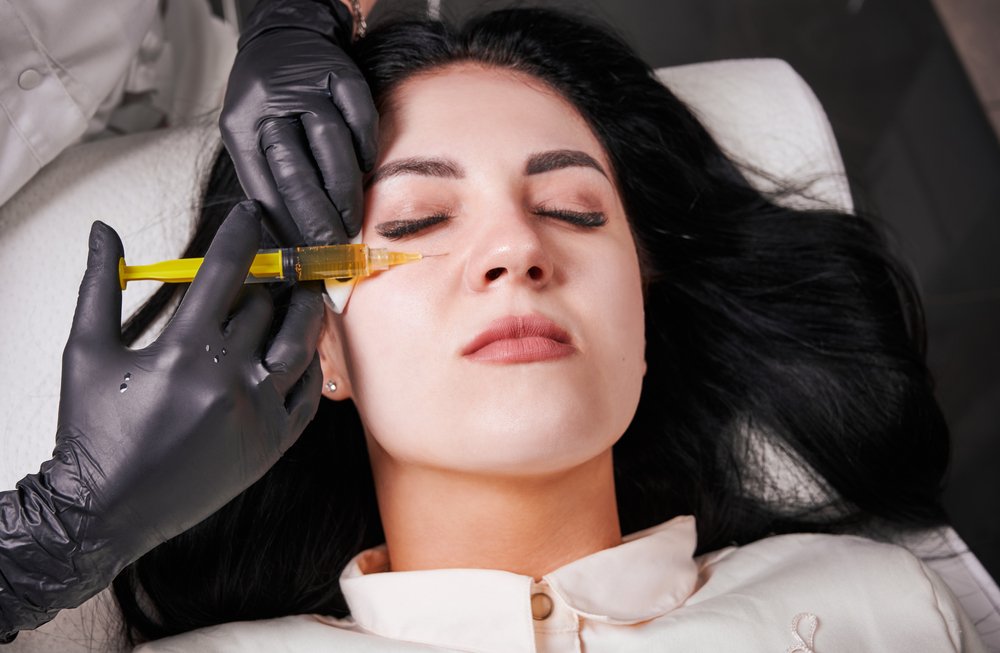
A small blood sample is drawn and spun in a centrifuge to concentrate platelets in plasma. A provider then applies that plasma to the under-eye area, either by injection or alongside microneedling. Our explainer on what PRP is(opens in a new tab) describes how the plasma is prepared and why platelets are of interest to clinicians and researchers.
Platelets carry growth factors involved in tissue repair, and the goal is to support the quality of delicate skin over time. Evidence for the under-eye area is more limited than for some other uses, and studies are small, so providers should describe the treatment as supportive and avoid promises about specific results, however appealing they sound.
Some providers consider PRF, a related preparation with a thicker texture, for this region. Our comparison of PRP vs PRF(opens in a new tab) explains how the two differ. Availability varies, so ask which options are offered and why your provider recommends one over another for your needs.
Concerns People Ask About
Common under-eye concerns include fine lines, crepey texture, dullness, puffiness, and dark circles. PRP is discussed mainly for skin quality, meaning texture and the look of thin skin. It may not change dark circles caused by genetics, pigmentation, or shadowing from volume loss, and results differ noticeably from person to person.
Hollows and tear troughs usually reflect volume changes, which are typically addressed with other tools such as dermal fillers(opens in a new tab). A provider can determine whether your concern is skin quality, volume, pigmentation, or a mix. Choosing the wrong treatment for the cause is a common reason people feel disappointed with results.
General rejuvenation plans sometimes combine several approaches over time, and our overview of facial rejuvenation treatments(opens in a new tab) describes how they fit together. Sleep, hydration, sunscreen, and allergy management also influence the look of the eye area, so a good plan looks beyond any single procedure and considers your whole routine.
Who May Be a Candidate and Who May Not
Candidacy depends on your concerns, skin condition, medical history, and goals. People with thin, lined, or crepey under-eye skin may be considered, provided a licensed provider examines the area and confirms that PRP is appropriate. Expectations should be modest, since changes are typically subtle and appear gradually over weeks and months.
Some people may need to avoid or delay treatment, including those with active infections or inflammation near the eyes, blood disorders, pregnancy, certain eye conditions, or medications that increase bleeding risk. Never stop a prescribed medication without speaking to the clinician who prescribed it, and always share your complete history, including eye surgery and allergies.
Timing questions matter too. Providers often discuss a series of sessions followed by maintenance, and our guide to how long PRP injections last(opens in a new tab) explains what influences duration. Ask your provider how they decide whether to continue, adjust, or stop based on how your skin responds to each visit.
What to Expect During and After Treatment
A visit usually begins with an assessment and photographs, followed by cleansing, numbing, a blood draw, and plasma preparation. The provider treats the area slowly and carefully because the skin is thin and bruises easily. Patients commonly describe mild pressure or stinging, and comfort varies by person and by how sensitive the area is.
Afterward, swelling, redness, and bruising near the eyes are commonly discussed, and they can be more noticeable than in other facial areas. Cold compresses, sun protection, and avoiding rubbing may be recommended, though instructions differ. Our PRP injection recovery guide(opens in a new tab) explains aftercare in more detail.
Seek prompt medical attention for vision changes, severe pain, spreading redness, fever, or anything else that seems unusual. These signs are uncommon but important. Your provider should explain warning signs beforehand and give you a way to reach the clinic, so you are never left guessing after treatment about what is normal and what is not.
Choosing a Provider for a Delicate Area
The eye area leaves little room for error, so ask about training, experience, how often they treat this area, and how the provider handles complications. You can learn about the practice on the About page(opens in a new tab) and meet the clinicians on the Providers page(opens in a new tab) before you book a consultation, so you know who will be caring for you.
Prestige MedSpa lists its facial treatments(opens in a new tab) and other services(opens in a new tab), and the facial treatments resources page(opens in a new tab) explains how common options compare. Use these pages to prepare questions about candidacy, alternatives, downtime, and how any under-eye plan would fit into a wider skin strategy, including daily sun protection and skincare.
Bring photos, a list of medications and supplements, and a clear description of what bothers you most, whether it is lines, color, puffiness, or hollows. Ask what the provider thinks is causing your concern and whether PRP is the best answer. This article is educational and does not replace personalized medical advice from a licensed clinician.
PRP and Other Under-Eye Options
| Option | Main approach | Consideration |
|---|---|---|
| PRP | Plasma from your blood applied to thin skin | Gradual, subtle changes in skin quality |
| Dermal fillers | Gel placed to soften volume loss and hollows | Addresses volume rather than skin texture |
| Topical skincare | Daily products for hydration and protection | Needs consistency and patience |
| Daily habits | Sleep, sunscreen, and allergy management | Supports any other treatment you choose |
Ask Prestige MedSpa About Under-Eye Care
If tired-looking eyes concern you, a consultation can help determine what is behind it and which options deserve your attention first. Visit the Prestige MedSpa home page(opens in a new tab) to learn more, then request an appointment in Rome(opens in a new tab), Roswell(opens in a new tab), Canton(opens in a new tab), Jasper(opens in a new tab), or Woodstock(opens in a new tab) to speak with a licensed clinician about your concerns and questions.
Request an Appointment(opens in a new tab)
Frequently Asked Questions
Is PRP under the eyes safe?
The under-eye area is delicate, so risks such as bruising, swelling, infection, and uneven results are possible. Choosing a trained provider and sharing your full history helps reduce problems. A licensed clinician should explain risks, screen for suitability, and describe warning signs before any treatment begins.
Does PRP get rid of dark circles?
Not always. PRP is discussed mainly for skin quality, while dark circles can come from genetics, pigmentation, thin skin, or shadowing from volume loss. A provider can help identify the cause and recommend suitable options, which may include treatments other than PRP, or a combination.
How many under-eye PRP sessions are recommended?
Providers often discuss a series of sessions spaced several weeks apart, followed by optional maintenance. The right plan depends on your concerns, skin thickness, and response to treatment. A consultation is the best way to get a personalized schedule without promises of a specific outcome.
How long does swelling last after treatment?
Mild swelling, redness, or bruising near the eyes is commonly discussed and often settles within days, although it varies by person. Follow your provider's aftercare instructions closely and contact the clinic promptly if swelling worsens or if you notice changes in vision or severe pain.
Can I combine PRP with fillers under the eyes?
Some providers discuss combining approaches, since PRP supports skin quality while fillers address volume. Whether that makes sense depends on your anatomy, your goals, and timing. Ask a licensed clinician to explain the sequence, the risks, and any waiting periods before booking either treatment.
