
Key Takeaways
- PRP injection recovery time varies, but many people describe mild redness, swelling, or tenderness that settles within days.
- Common side effects include bruising, tightness, itching, and sensitivity, and they depend on the area treated and the technique used.
- Good aftercare includes gentle skin care, daily sunscreen, hydration, and following the written instructions your provider gives you.
- Providers often advise avoiding alcohol, heavy exercise, heat, and certain medications for a short period, so ask what applies to you.
- Contact your clinic promptly for severe pain, spreading redness, fever, vision changes, or anything else that seems unusual.
Request an Appointment(opens in a new tab)
One of the first questions about platelet therapy is how long the recovery lasts. PRP injection recovery time depends on the area, the technique, and your own healing, so no single answer fits everyone. This guide explains what recovery commonly looks like, which side effects people discuss, what to do and avoid, and how Prestige MedSpa's PRP treatments(opens in a new tab) fit in.
What PRP Recovery Typically Looks Like
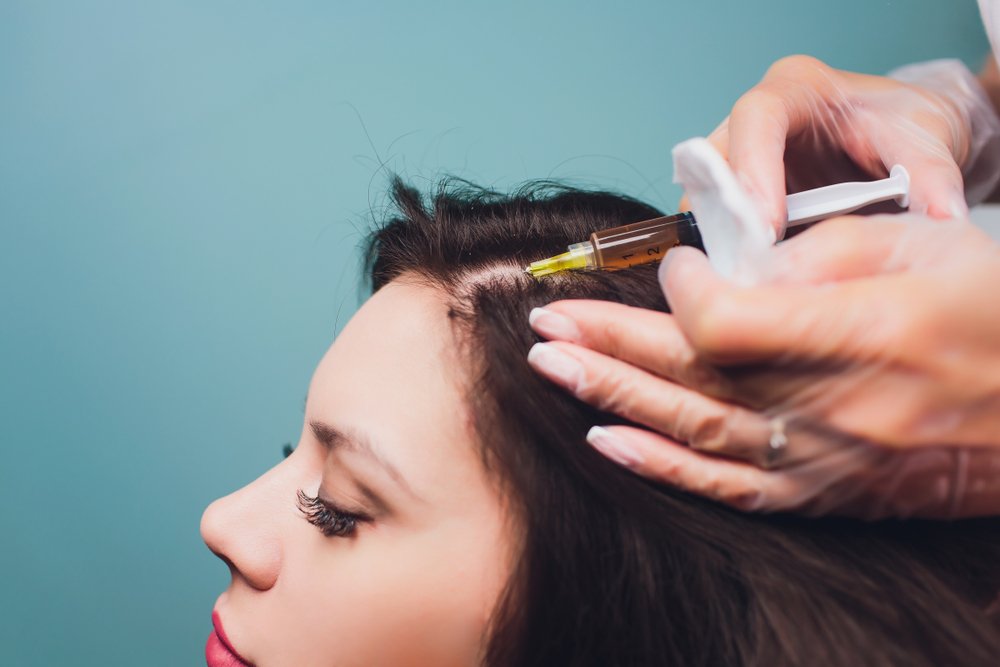
Most people describe a short recovery with mild redness, swelling, or tenderness where the plasma was placed. These effects commonly settle within a few days, although this varies by person, treatment area, and technique. Treatments combined with microneedling may look more flushed at first than simple injections, and that is usually expected.
Because PRP uses your own blood, there is no donor material involved, and many patients return to normal activities fairly quickly. Your provider will tell you when it is reasonable to resume work, exercise, and makeup. Follow those directions rather than a timeline you read online, since protocols differ.
Recovery is not the same as results. While early effects fade within days, any change in skin or hair is generally discussed over weeks and months. Our vampire facial page(opens in a new tab) explains how the treatment works, and our look at vampire facial before and after results(opens in a new tab) describes how timelines are presented in practice.
Common Side Effects People Discuss
Frequently mentioned effects include redness, mild swelling, tightness, itching, bruising, and sensitivity to touch. After microneedling-based treatments, the skin may feel like a mild sunburn for a short time. Areas with thin skin, such as the under-eye region, may bruise more easily, as our guide to PRP under eyes(opens in a new tab) explains.
Less common problems include infection, prolonged swelling, uneven results, and pigment changes. Some people also experience headaches or lightheadedness related to the blood draw. These risks are the reason a licensed provider should screen your history, explain what to watch for, and give you a way to reach the clinic.
Side effects can differ between individuals even when the same protocol is followed. If something feels worse than the instructions describe, trust your instincts and call the clinic instead of waiting. It is always better to ask a question early than to let a small issue turn into a larger one, and good clinics welcome those calls.
Aftercare Tips That Support Healing
Follow the written instructions you receive, since they reflect your provider's technique and your skin. In general, gentle cleansing, light moisturizer, and consistent hydration are commonly recommended, along with daily sunscreen once the skin allows it. Avoid touching or picking at treated areas, because irritation can slow healing.
Cool compresses may be suggested for swelling or tenderness, but check with your provider before using any product on freshly treated skin. If you take blood thinners or other prescribed medication, never stop them without speaking to the clinician who prescribed them. Ask which over-the-counter products are appropriate for your skin and your treatment.
Sleep with your head slightly elevated if swelling is a concern, drink plenty of water, and keep your schedule flexible for the first day or two. For more on how treatments combine with microneedling, read our explainer on microneedling with PRP(opens in a new tab) and the vampire facial guide(opens in a new tab) on our blog, which covers the full process.
What to Avoid, Including Alcohol
Providers commonly advise avoiding alcohol for a short period after treatment, because alcohol can widen blood vessels and may increase bruising or swelling. The exact window depends on your provider and the treatment, so ask for specifics instead of relying on a general rule you found elsewhere, and write the answer down.
Other things people are often asked to avoid include direct sun exposure, tanning, saunas, hot tubs, and heavy exercise for a short time. Harsh skin care, exfoliants, and some active ingredients may also be paused. Smoking can interfere with healing, so many providers recommend avoiding it as well, along with nicotine products.
Anti-inflammatory medications and supplements are sometimes discussed because they may affect bruising or the healing response, but advice varies. Do not change prescribed medication on your own. Ask your clinician what is appropriate for you, and bring a complete list of medications and supplements to your consultation.
When to Contact Your Provider
Contact the clinic promptly if you notice severe or worsening pain, spreading redness, warmth, discharge, fever, or swelling that increases instead of improving. Seek urgent care for vision changes, trouble breathing, or any symptom that feels serious. These signs are uncommon, but they deserve fast attention, and waiting rarely helps. Keep the clinic's phone number saved on your phone.
Before treatment, ask how to reach the practice after hours and what level of discomfort is normal. You can learn about the team on the About page(opens in a new tab), meet the clinicians on the Providers page(opens in a new tab), and review all services(opens in a new tab) to understand who will support you before and after your visit, and how to reach them when you have questions.
If you are curious about how long benefits may last once recovery is over, read our guide to how long PRP injections last(opens in a new tab). This article is educational and does not replace personalized medical advice, so follow the instructions from the licensed clinician who treated you.
PRP Aftercare Do's and Don'ts
| Helpful steps | Commonly avoided |
|---|---|
| Daily sunscreen once the skin allows it | Direct sun exposure, tanning beds, and any sunburn |
| Gentle cleansing and a light moisturizer | Picking, scrubbing, or exfoliating treated skin early |
| Drinking plenty of water each day | Alcohol during the period your provider advises |
| Following your written instructions closely | Heavy exercise, saunas, and hot tubs until you are cleared |
Get Aftercare Guidance From Prestige MedSpa
If you are planning PRP and want to understand recovery for your situation, a consultation is the right place to ask your questions in person. Visit the Prestige MedSpa home page(opens in a new tab), then request an appointment in Rome(opens in a new tab), Roswell(opens in a new tab), Canton(opens in a new tab), Jasper(opens in a new tab), or Woodstock(opens in a new tab) to speak with a licensed clinician about your plan.
Request an Appointment(opens in a new tab)
Frequently Asked Questions
How long is PRP injection recovery time?
Many people describe mild redness, swelling, or tenderness that settles within a few days, but this varies by area, technique, and person. Your provider can give a more precise estimate and tell you when to resume exercise, makeup, and other activities after your visit.
Why should I avoid alcohol after PRP?
Alcohol can widen blood vessels and may increase bruising or swelling, which is why providers commonly advise avoiding it for a short period. The length of that period varies, so ask your clinician for specific instructions that apply to your treatment and your health.
Is bruising normal after PRP?
Mild bruising can occur, especially in thin-skinned areas such as under the eyes, and it usually fades over days. Contact your clinic if bruising is extensive, painful, or growing, or if you notice swelling that gets worse instead of gradually improving.
Can I exercise after PRP injections?
Providers often ask patients to avoid heavy exercise, heat, and sweating for a short period because they may increase swelling or irritation. Follow your clinician's instructions, and ask when it is safe to return to your normal routine based on the area treated.
When should I call my provider after PRP?
Call promptly if you have severe pain, spreading redness, fever, discharge, or worsening swelling, and seek urgent care for vision changes or trouble breathing. Your clinic should explain warning signs beforehand and tell you how to reach them after hours.
