
Key Takeaways
- Vampire facial before and after photos show possible changes in texture and tone, but they never predict your individual result.
- People commonly discuss smoother-looking skin, a fresher glow, and softer-looking scars or pores as goals for this treatment.
- Early redness and sensitivity fade within days, while other changes are generally assessed gradually over weeks and months.
- Your starting skin, age, habits, number of sessions, and aftercare all shape the outcome you may see.
- A licensed provider can explain what is realistic for your concerns and whether this treatment is appropriate for you.
Request an Appointment(opens in a new tab)
Searching for vampire facial before and after photos is a natural first step, but images only tell part of the story. Lighting, angles, skin type, and the number of sessions all matter a great deal. This guide explains what results people commonly discuss after treatment, how long they take, and what shapes the outcome, using Prestige MedSpa's PRP treatments(opens in a new tab) as context for each point.
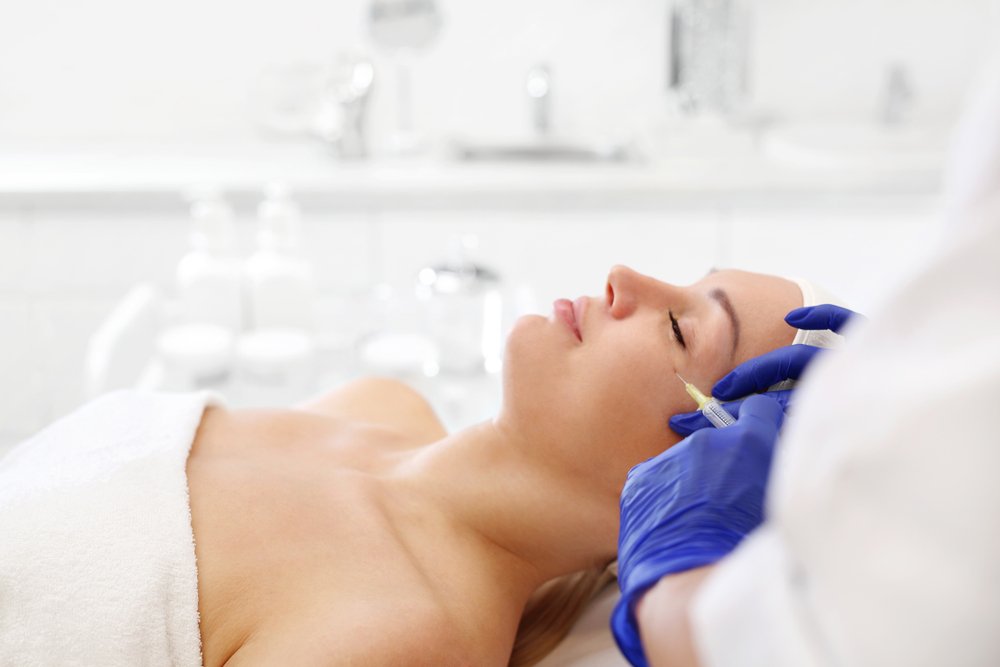
What Before and After Photos Can and Cannot Show
Before and after photos are useful for understanding what a treatment aims to do, such as improving the look of texture or tone. They are not promises. Each photo reflects one person's skin, one provider's technique, and one set of conditions that may not match yours at all.
When you view photos, check whether lighting, camera distance, makeup, and angles look consistent between images. Ask how many sessions were completed and how much time passed. Prestige MedSpa shares examples on its before and after page(opens in a new tab), which can help you understand typical presentations of results and how photos are taken.
Treat photos as conversation starters rather than promises. Bring images of results you admire to a consultation, and ask your provider what is realistic for your skin. A thoughtful clinician will explain differences between your starting point and the example, instead of simply agreeing that you will look the same, which would not be accurate.
What Changes People Commonly Discuss
The vampire facial combines microneedling with platelet-rich plasma from your own blood. People who choose it commonly hope for smoother-looking texture, a more even-looking tone, softer-looking fine lines, and a healthier glow. Some also ask about acne scarring and enlarged-looking pores, which respond differently from person to person and from one area of the face to another.
Not every concern responds equally. Superficial texture changes may be more responsive than deep scarring or significant laxity, which can need other approaches. For lax skin or volume changes, some patients explore a different plan, and our comparison of the vampire facelift vs vampire facial(opens in a new tab) explains how those treatments differ.
Subtle outcomes are normal, and that is worth knowing early. Many patients describe fresher skin rather than a dramatic transformation, and that is consistent with how the treatment is designed. If you want a major change in one visit, a consultation can help you consider whether another option matches your expectations better, or whether a combined plan is sensible.
The Typical Timeline From Treatment to Results
Right after a session, redness, tightness, and sensitivity are commonly discussed, and the skin may look flushed or slightly swollen. These effects usually settle within a few days, though this varies from person to person. Our PRP recovery guide(opens in a new tab) explains what to expect and what to avoid while your skin heals.
As healing finishes, skin often feels smoother and looks more refreshed. Collagen activity continues over the following weeks, so further changes may appear gradually. Providers often recommend judging results after several weeks rather than in the first few days, when swelling or redness can hide the real picture of how your skin is responding.
Many plans include a series of sessions spaced several weeks apart. Results then build over time, and maintenance may be considered afterward. For a closer look at duration, read our guide to how long PRP injections last(opens in a new tab), and the vampire facial guide(opens in a new tab) adds background on how the treatment works and who may be a candidate.
What Shapes Your Outcome
Your starting point matters. Age, skin type, sun history, and the depth of any scarring all influence what is possible. Someone with mild texture concerns may see a different pattern than someone with deeper acne scars, even with the same treatment plan, the same provider, and a similar number of sessions.
Technique and protocol also count, including the device, needle depth, how plasma is prepared, and how many visits are planned. Our explainer on microneedling with PRP(opens in a new tab) describes how the two steps work together. Ask your provider how they choose settings and whether anything is adjusted for your skin type, sensitivity, or past reactions.
Finally, your habits play a part. Daily sunscreen, gentle skincare, hydration, and avoiding smoking can help support skin quality, while sun exposure and picking at healing skin can work against it. Following aftercare closely is one of the simplest ways to protect the time and effort you put into treatment.
How to Prepare and Choose a Provider
Before booking, learn who will treat you. You can read about the team on the About page(opens in a new tab) and meet the clinicians on the Providers page(opens in a new tab). Ask about training, how products are handled, and what you should do before and after your visit to keep your skin healthy and reduce the chance of avoidable problems.
Prestige MedSpa lists its facial treatments(opens in a new tab) and other services(opens in a new tab) online, and the vampire facial page(opens in a new tab) explains what the visit includes. Share your medical history, medications, supplements, and recent skin treatments so your provider can screen for anything that might make treatment inappropriate or require a delay until your skin has recovered.
Arrive with clean skin, realistic goals, and questions about downtime, sessions, and maintenance. Remember that this article is educational and does not replace personalized medical advice. A licensed provider can explain whether a vampire facial suits your skin and what kind of results you might reasonably discuss for your concerns.
Vampire Facial Results Timeline
| When | What you may notice |
|---|---|
| Right after treatment | Redness, tightness, and mild swelling are commonly reported by patients |
| Days two to five | Sensitivity fades and the skin begins to settle back down again |
| Weeks two to six | Skin may feel smoother and look more refreshed overall |
| Months later | Gradual changes may continue, and maintenance may be discussed with your provider |
See What a Vampire Facial May Offer You
If you are curious about vampire facial results for your skin, a consultation can turn photos into a personal plan that suits your skin. Visit the Prestige MedSpa home page(opens in a new tab), then request an appointment in Rome(opens in a new tab), Roswell(opens in a new tab), Canton(opens in a new tab), Jasper(opens in a new tab), or Woodstock(opens in a new tab) to speak with a licensed clinician about your goals and questions.
Request an Appointment(opens in a new tab)
Frequently Asked Questions
Do vampire facial results look the same for everyone?
No. Results depend on your starting skin, age, habits, and the protocol used, so photos of other patients cannot predict your outcome. Many people describe subtle improvements rather than dramatic change. A consultation is the best way to learn what is realistic for your concerns.
How long until I see vampire facial results?
Early redness and swelling usually settle within days, while changes in texture or tone are generally discussed over several weeks. Results can continue to build over months, and a series of sessions is sometimes recommended. Your provider can explain a timeline that fits your goals.
Can a vampire facial help acne scars?
Providers often discuss it for mild to moderate acne scarring, and some patients notice softer-looking texture. Deeper scars may need other approaches or a combination plan. A licensed clinician can assess your scarring and explain which options are appropriate before you commit to any treatment.
How many sessions are usually recommended?
Plans vary, but many providers discuss a series of sessions spaced several weeks apart, followed by optional maintenance. The right number depends on your concerns and how your skin responds. Your clinician can outline a schedule after examining your skin and reviewing your goals.
What affects how my results look?
Skin type, age, sun exposure, smoking, aftercare, and the number of sessions all influence outcomes. Protocol details such as device settings and plasma preparation also matter. Following your provider's instructions and protecting your skin with daily sunscreen helps support the improvements you notice.
