
Key Takeaways
- A vampire facial combines microneedling with PRP and mainly aims to support skin texture, tone, and overall quality.
- A vampire facelift usually refers to PRP combined with dermal filler to support volume and contour in targeted areas.
- Neither option is a surgical facelift, and neither can replicate the lifting effect that surgery is designed to provide.
- The right choice depends on whether your concern is skin quality, volume loss, or a mix that needs a combined plan.
- A licensed provider can explain what each treatment involves, who may be a candidate, and what outcomes are realistic.
Request an Appointment(opens in a new tab)
The names sound similar, but a vampire facelift and a vampire facial are not the same treatment. One focuses on skin quality, while the other usually adds filler for volume and contour. This guide explains how each works, the differences in goals and technique, the concerns each addresses, and how to plan with a licensed provider, alongside Prestige MedSpa's PRP treatments(opens in a new tab).
What a Vampire Facial Is
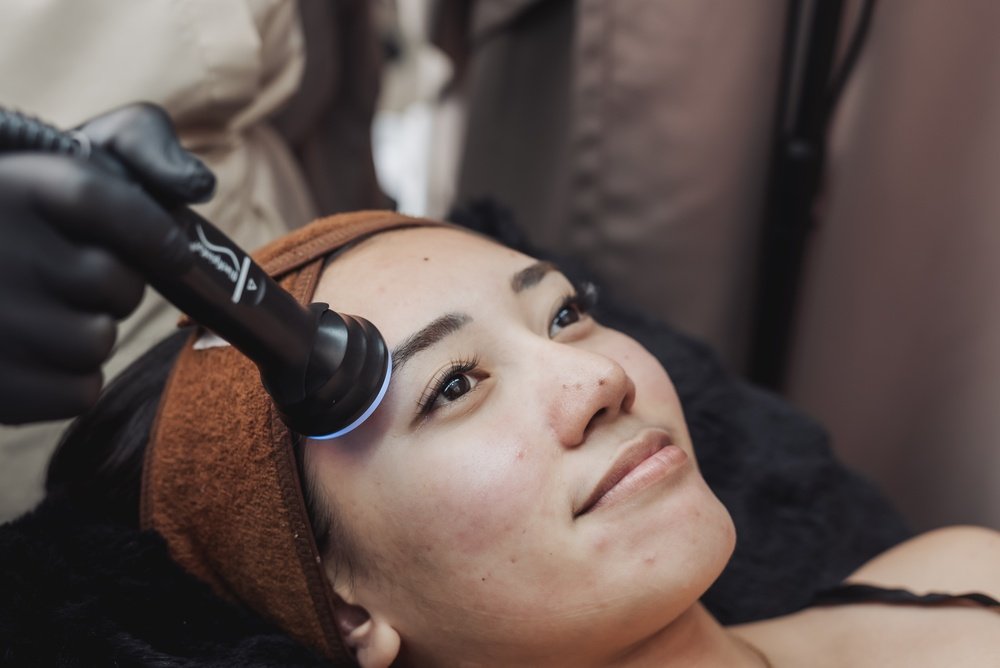
A vampire facial combines microneedling with platelet-rich plasma prepared from your own blood. The microneedling device creates tiny, controlled channels in the skin, and the plasma is applied to support the repair response. Our explainer on microneedling with PRP(opens in a new tab) walks through the steps in detail, including what a session feels like.
The treatment is generally discussed for texture, uneven tone, enlarged-looking pores, fine lines, and mild acne scarring. It works on skin quality rather than on volume or sagging. Prestige MedSpa explains its version on the vampire facial page(opens in a new tab), which is a good starting point for your questions.
Platelet-rich plasma is central to this approach, and our guide to what PRP is(opens in a new tab) explains how it is made. Results are gradual and individual, and no outcome can be promised, so providers often recommend a series of sessions and a realistic conversation about what the skin can and cannot achieve with this approach.
What a Vampire Facelift Is
A vampire facelift usually means PRP combined with a hyaluronic acid dermal filler. The filler is placed in selected areas to restore volume or soften contours, while PRP is used to support the quality of the overlying skin. Terminology varies between practices, so ask exactly what your provider means by the term and what products are involved.
Because filler is involved, the treatment draws on injection skills and anatomical knowledge. Prestige MedSpa lists its dermal fillers(opens in a new tab) and other injectables(opens in a new tab), which shows the range of tools a provider may consider for volume and contour concerns. Availability differs, so confirm what is offered, and by whom, before you plan around it.
Despite the name, this is not a surgical facelift. It does not remove excess skin or tighten underlying structures the way surgery does. For some patients it offers a subtle refresh, and our article on combining injectables and fillers(opens in a new tab) explains how different products can work together.
Key Differences in Goals and Technique
The biggest difference is purpose. A vampire facial aims to improve the look and feel of the skin surface, while a vampire facelift aims to address volume and contour using filler. Many people confuse the two because both use PRP and both carry a dramatic nickname, which makes questions at the consultation especially useful.
Technique differs as well. The facial relies on a microneedling device that treats broad areas, and the facelift relies on targeted injections placed at chosen points. Each approach carries its own risks, such as swelling, bruising, infection, or uneven results, and filler adds additional considerations that a provider should explain clearly, including product choice and placement.
Expectations also differ. A facial builds gradually through skin renewal, as described in our look at vampire facial before and after results(opens in a new tab). A filler-based approach can show more immediate volume changes, though swelling may hide the outcome at first, so early photos can be misleading. Neither option should be presented as lasting forever or as free of risk.
Which Concerns Each Approach Addresses
If your main concerns are dullness, rough texture, enlarged pores, or fine lines, a vampire facial may be the more relevant discussion. Mild acne scarring is also commonly raised, and results differ from person to person. Deep scars, heavy sun damage, or laxity may call for other approaches or a combination plan.
If you notice flattening in the cheeks, hollowing near the eyes, or softened contours, a volume-focused treatment may be more relevant to your situation. Under-eye concerns need special care, and our article on PRP under eyes(opens in a new tab) explains why a provider must identify the cause before choosing a treatment.
Many people have both skin-quality and volume concerns, which is why plans sometimes combine approaches over time. A thoughtful provider will start with a facial assessment, explain what is driving your concerns, and suggest a sequence that makes sense instead of recommending everything at once or pushing a large package.
Choosing and Planning With a Provider
Look for a provider who explains the difference between the two, asks about your goals, and is willing to say no when a treatment is not a good fit for your face or your goals. You can review the team on the About page(opens in a new tab) and meet the clinicians on the Providers page(opens in a new tab).
Prestige MedSpa lists its facial treatments(opens in a new tab) and other services(opens in a new tab), which can help you prepare questions. Ask what is included in your visit, how many sessions are typical, what the downtime is, which products are used, and how complications are handled if they occur, including who you should contact.
Share your medical history, medications, supplements, and past cosmetic treatments, including any prior filler. Some conditions make these treatments inappropriate or require a delay. This article is educational and does not replace personalized medical advice from a licensed clinician who has examined your face, reviewed your history, and discussed your goals with you.
Vampire Facelift vs Vampire Facial
| Feature | Vampire facial | Vampire facelift |
|---|---|---|
| Main components | Microneedling plus PRP from your own blood | PRP plus hyaluronic acid dermal filler |
| Primary focus | Skin texture, tone, and overall quality | Volume and contour support in targeted areas |
| Technique | Device creates tiny channels in skin | Injections placed at targeted points |
| Typical downtime | Redness often lasts several days | Swelling or bruising may occur for a while |
Compare Your Options With Prestige MedSpa
If you cannot decide between a vampire facial and a vampire facelift, a consultation can help you sort out what your face actually needs. Visit the Prestige MedSpa home page(opens in a new tab), then request an appointment in Rome(opens in a new tab), Roswell(opens in a new tab), Canton(opens in a new tab), Jasper(opens in a new tab), or Woodstock(opens in a new tab) to speak with a licensed clinician about your questions.
Request an Appointment(opens in a new tab)
Frequently Asked Questions
Is a vampire facelift the same as a surgical facelift?
No. A vampire facelift is a non-surgical approach that usually combines PRP with dermal filler. It does not remove excess skin or tighten underlying tissue the way surgery does. A licensed provider can explain what changes are realistic and whether another option might suit your goals better.
What is the main difference between the two treatments?
A vampire facial uses microneedling with PRP to support skin quality, while a vampire facelift usually adds filler to address volume and contour. The goals, techniques, and risks differ. Your provider can explain which approach matches your concerns after assessing your face in person.
Can I have both treatments?
Some people combine approaches over time, but sequence and timing matter. Your provider may suggest treating skin quality and volume separately, with waiting periods between visits. Ask a licensed clinician to explain the plan, the risks of combining treatments, and how your results will be monitored.
Is there downtime after a vampire facelift?
Swelling, redness, tenderness, and bruising are commonly discussed after injections, and they vary by area and by person. Your provider should give aftercare instructions and explain warning signs. Contact the clinic promptly if you notice severe pain, vision changes, or worsening swelling.
Who should avoid these treatments?
People who are pregnant, have active infections, certain blood or autoimmune conditions, or take blood thinners may need to avoid or postpone treatment. A licensed provider screens for these factors at your consultation. Always share your full medical history, medications, and any previous cosmetic procedures.
