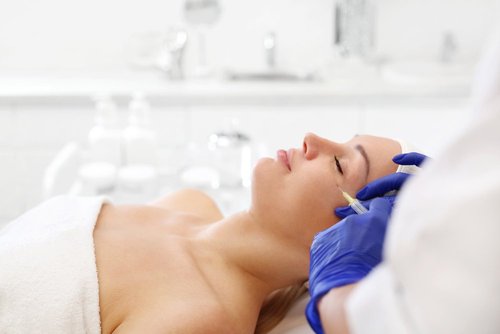
Key Takeaways
- PRP for hair loss uses platelet-rich plasma from your own blood, injected into the scalp to support thinning areas.
- Platelets contain growth factors that may influence the hair follicle environment, though research results are mixed and individual response varies.
- Candidates are usually people with early to moderate thinning, and a medical evaluation should identify the cause first.
- Treatment is typically discussed as a series of sessions followed by maintenance, with changes appearing gradually over months.
- A licensed provider can explain realistic expectations, risks, and alternatives before you decide whether PRP is appropriate.
Request an Appointment(opens in a new tab)
Thinning hair affects confidence, and many people look for options beyond shampoos and supplements but want clear information first. PRP for hair loss is one approach discussed in aesthetic care, using platelet-rich plasma from your own blood. This guide explains how it works, who may be a candidate, what sessions involve, and how to set realistic expectations alongside Prestige MedSpa's PRP treatments(opens in a new tab).
How PRP for Hair Loss Works
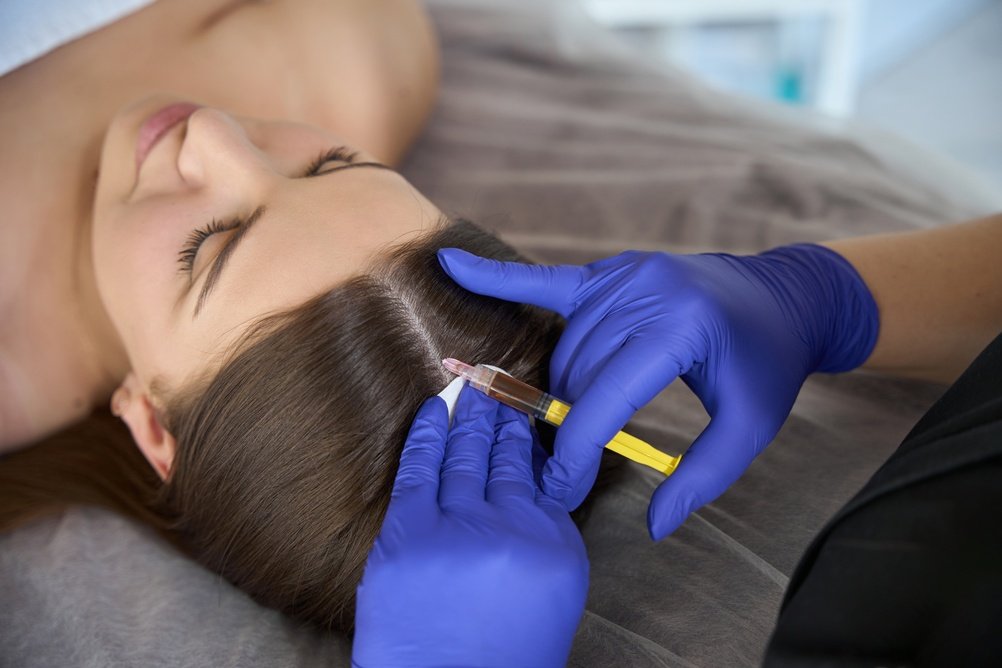
A small blood sample is drawn and spun in a centrifuge so platelets concentrate in plasma. The provider then injects that plasma into areas of the scalp where hair has thinned. Our explainer on what PRP is(opens in a new tab) describes how the plasma is prepared and why platelets are of interest to researchers and clinicians.
Platelets contain growth factors involved in tissue repair, and researchers have studied whether they can influence the environment around hair follicles. Findings are mixed, protocols differ, and studies are often small. That is why a thoughtful provider describes PRP as supportive rather than as a dependable regrowth method.
Because the plasma comes from your own blood, the treatment does not use donor material. It is still a medical procedure that involves injections, so risks such as soreness, swelling, bruising, and infection exist. A licensed provider should explain these risks clearly and screen your health history before any injections begin.
Types of Hair Thinning PRP May Be Discussed For
Hair thinning has many causes, including genetics, hormonal changes, stress, nutritional gaps, medications, and medical conditions. Pattern hair loss is the most common type, and it is the one most often connected with PRP discussions. Other causes may need different evaluation or treatment, so a proper diagnosis matters before spending time or money on any therapy.
Because causes differ, a good starting point is a conversation with a clinician about when the thinning began, how it has progressed, and what your family history looks like. Blood tests may be suggested to rule out contributors such as thyroid problems or low iron before any scalp treatment is planned.
People often ask about PRP alongside other approaches, including topical and oral options and procedures. Men and women can both experience thinning, and goals differ between individuals. Our guide to men's hair treatments for balding(opens in a new tab) compares several routes, which can help you think through where PRP fits.
Who May Be a Candidate for PRP Hair Treatment
Candidates are generally people who still have active hair follicles in the thinning area, since PRP is not designed to create follicles where none remain. Early to moderate thinning is the stage most commonly discussed, although a provider must examine your scalp and discuss your history before deciding whether treatment makes sense for you.
Certain health factors may make PRP unsuitable or require a delay, including blood disorders, active scalp infections or inflammation, pregnancy, and some medications such as blood thinners. Never stop a prescribed medication without speaking to the clinician who prescribed it, and share everything you take, including vitamins, herbal products, and supplements.
To learn more about the practice, you can read the About page(opens in a new tab), meet the clinicians on the Providers page(opens in a new tab), and browse all services(opens in a new tab). Choose a provider who explains the evidence, outlines risks plainly, and welcomes questions about training, product handling, and what other options might suit you better.
What PRP Hair Sessions Involve
A typical visit starts with a scalp assessment, photographs, and a review of your history. The provider cleanses the area, may apply numbing, draws your blood, and prepares the plasma. Total time is usually longer than a simple injection visit because of the preparation involved, so plan your day accordingly and arrange a comfortable ride home if you prefer.
The injections are placed across the thinning zones in a pattern the provider selects. Patients commonly describe pressure or a stinging sensation, and comfort differs from person to person. Aftercare instructions may include avoiding certain products, heat, or heavy exercise for a short period, so follow what you are given.
Mild tenderness, redness, or swelling is commonly discussed afterward and often settles within days. Our guide to PRP injection recovery time(opens in a new tab) explains what to expect and what to avoid. Contact the clinic if you notice worsening pain, spreading redness, fever, or anything else that seems unusual or concerning to you.
Setting Realistic Expectations
Hair grows slowly, so changes from any treatment, including PRP, are typically discussed over several months rather than weeks. Some providers recommend an initial series of sessions spaced about a month apart, followed by maintenance. Your plan should reflect your own response instead of a fixed schedule, and it can be adjusted as you go.
Not everyone responds the same way, and some people see little change. PRP may help support the look and feel of thinning hair for some patients, but no provider can promise specific regrowth. Understanding how long benefits may last is also useful, as explained in our guide to how long PRP injections last(opens in a new tab).
Photos taken at consistent angles help you judge progress fairly, and you can browse the clinic's hair restoration gallery(opens in a new tab) to understand the kind of changes patients discuss. Keep expectations balanced, continue other recommended care, and revisit the plan with your provider if you are not satisfied after a fair trial.
PRP and Other Hair Loss Options
| Option | How it works | Key consideration |
|---|---|---|
| PRP | Plasma from your blood injected into the scalp | Series of sessions, with variable results |
| Topical medications | Applied to the scalp as directed by a clinician | Ongoing use is usually needed |
| Oral medications | Prescribed after a medical review | Not suitable for everyone |
| Hair transplant | Surgical relocation of hair follicles | Surgical procedure with longer recovery |
Discuss PRP for Hair Loss With Prestige MedSpa
If thinning hair is on your mind, a consultation can help you understand whether PRP is appropriate for your situation and which alternatives deserve attention. Visit the Prestige MedSpa home page(opens in a new tab), then request an appointment in Rome(opens in a new tab), Roswell(opens in a new tab), Canton(opens in a new tab), Jasper(opens in a new tab), or Woodstock(opens in a new tab) to speak with a licensed clinician about your questions.
Request an Appointment(opens in a new tab)
Frequently Asked Questions
Does PRP for hair loss work?
Some studies report improvement in hair density for some people, but research is mixed and results vary. PRP is generally described as supportive rather than as a cure. A licensed provider can explain what evidence exists, what you might reasonably expect, and what alternatives might suit you better.
How many PRP hair sessions are needed?
Providers often discuss an initial series of sessions spaced several weeks apart, followed by maintenance if appropriate. The right number depends on the cause and stage of thinning and on how your scalp responds. Your clinician can outline a plan after a thorough assessment of your hair.
Is PRP for hair loss painful?
Many patients describe pressure, stinging, or mild soreness during injections, and numbing may be used to improve comfort. Sensitivity differs from person to person and by area of the scalp. Tell your provider if discomfort increases so they can adjust their technique or take short breaks.
Can women have PRP for thinning hair?
Yes, women may be considered candidates for PRP when a clinician determines it is appropriate. Thinning in women can have hormonal, nutritional, or medical causes that deserve evaluation first. A licensed provider can recommend a plan based on your health history, goals, and any other treatments you use.
What should I avoid after PRP?
Your provider may ask you to avoid certain hair products, heat, heavy exercise, or blood-thinning medications for a short period. Instructions vary, so follow what you are given and ask questions. Contact the clinic promptly if you notice severe pain, spreading redness, or signs of infection.