
Key Takeaways
- Microneedling with PRP pairs tiny controlled skin punctures with platelet-rich plasma made from your own blood.
- The microneedling step stimulates the skin's repair response, and PRP is applied to support that healing process.
- People commonly ask about it for acne scars, uneven texture, enlarged pores, fine lines, and dull-looking skin.
- Sessions usually involve a blood draw, numbing, treatment, and aftercare instructions, and mild redness is commonly discussed afterward.
- A licensed provider should review your skin, history, and goals before recommending this approach for you.
Request an Appointment(opens in a new tab)
Microneedling with PRP is one of the most searched skin treatments, and it is often called a vampire facial. It combines a collagen induction technique with platelet-rich plasma prepared from your own blood, a service family Prestige MedSpa describes among its PRP treatments(opens in a new tab). This guide explains what the treatment is, who may benefit, what a session involves, and how it differs from microneedling alone, so you can walk into a consultation prepared.
What Microneedling With PRP Involves
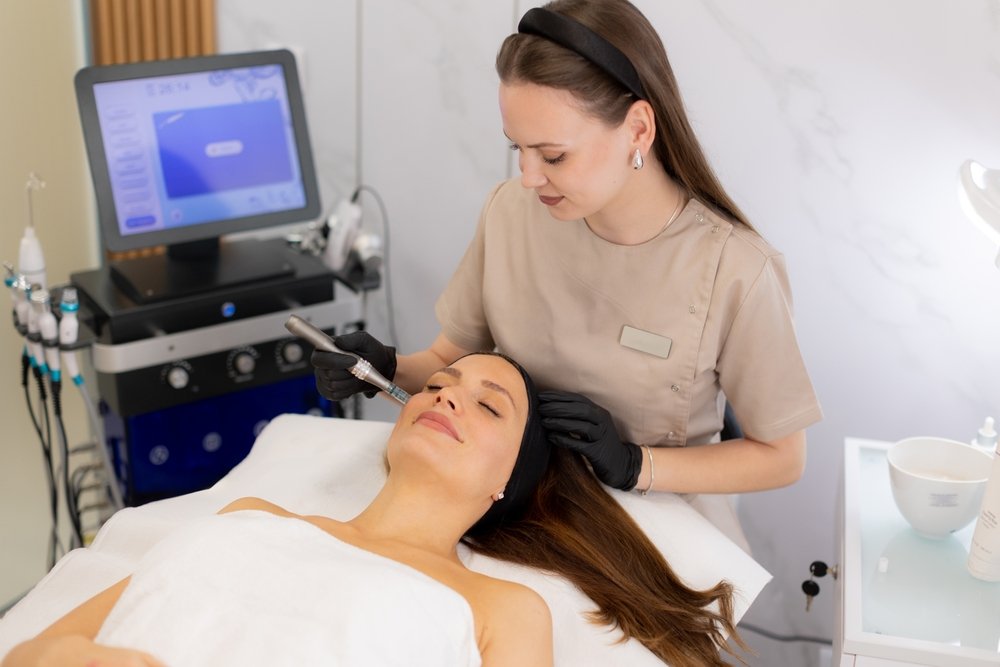
Microneedling uses a device with fine needles to create very small, controlled channels in the skin. The body responds by starting its natural repair process, which includes new collagen and elastin activity in the treated area over the following weeks. This is why the technique is also called collagen induction therapy and appears in many microneedling treatments(opens in a new tab).
PRP is the second part of the treatment. A small blood sample is spun in a centrifuge to concentrate platelets in plasma, which is then applied to the skin during or after the needling. Our explainer on what PRP is(opens in a new tab) walks through how the plasma is prepared, what it contains, and why providers use it in skin treatments.
Together, the two steps are often marketed as the vampire facial. Prestige MedSpa explains its version on the vampire facial page(opens in a new tab), and our vampire facial guide(opens in a new tab) adds more background. Results differ from person to person, and no single session can promise a specific outcome, however well it is performed.
How the Two Techniques Work Together
Microneedling creates tiny openings and prompts the skin to repair itself, while the platelets in PRP carry growth factors involved in tissue healing. The idea behind combining them is that the plasma sits on freshly treated skin, where it may support the repair response more directly during the first days of healing.
Evidence for adding PRP to microneedling is encouraging in some small studies but still limited, and study designs differ widely. For that reason, careful providers describe the combination as a way to support skin renewal rather than as a cure-all for scarring, lines, or texture concerns, which respond differently from one person to another.
If you are still deciding between platelet options, our comparison of PRP vs PRF(opens in a new tab) explains how the two preparations differ. Either way, treatments work gradually, with visible changes usually discussed over weeks and months as the skin renews, rather than immediately after a single visit, and patience matters.
Who May Benefit and Common Concerns
People often ask about microneedling with PRP for acne scarring, rough texture, enlarged pores, fine lines, and uneven tone. It is also discussed for general skin rejuvenation when someone wants a non-surgical option with limited downtime. Candidacy always depends on your skin type, history, and expectations, which is why an in-person assessment matters before any plan is made.
The treatment may not suit everyone. Active acne flares, skin infections, certain skin conditions, blood disorders, pregnancy, and some medications can make it inappropriate or require a delay. A licensed provider will ask about these details at your consultation and may recommend a different approach.
Deeper scarring or significant laxity may need other options or a combination plan. Prestige MedSpa lists its facial treatments(opens in a new tab) and all services(opens in a new tab) online, and you can read about the team on the About page(opens in a new tab) and the Providers page(opens in a new tab). A realistic conversation about goals and timeline helps you choose a sensible plan.
What a Session Looks Like
Most sessions begin with a skin assessment and a review of your history, followed by cleansing and a topical numbing product. A small amount of blood is drawn and processed while the numbing takes effect. The overall visit is longer than microneedling alone because of this preparation time, so it helps to plan your schedule accordingly.
During the treatment, the provider moves the microneedling device across the treatment area and applies the PRP as planned. Patients commonly describe pressure or a scratching sensation rather than sharp pain, though comfort varies. Your provider can explain what to expect for your specific areas and how the device settings are chosen.
Afterward, mild redness, tightness, and sensitivity are commonly discussed and usually fade over a few days, though this varies. Our PRP injection recovery guide(opens in a new tab) covers aftercare in more detail. Always follow the instructions you receive and contact the clinic if anything seems unusual or concerning.
Microneedling With PRP Compared With Microneedling Alone
Microneedling alone skips the blood draw and the plasma step, which makes the visit shorter and simpler. Many people achieve their goals this way, particularly for mild texture concerns. The microneedling for collagen and skin renewal(opens in a new tab) article explains what the technique can do by itself.
Adding PRP introduces a biologic component that some patients prefer because it uses their own blood. The trade-off is a longer visit and, depending on the practice, a different fee structure, so ask about it before booking. Your provider can explain whether the added step is likely to be useful for your concerns, or whether simpler microneedling would do.
How you plan around results also matters. Many providers suggest a series of sessions spaced weeks apart, with maintenance if appropriate. Our look at vampire facial before and after results(opens in a new tab) sets realistic expectations about timing. This content is educational and does not replace advice from a licensed clinician.
Microneedling Alone vs With PRP
| Aspect | Microneedling alone | Microneedling with PRP |
|---|---|---|
| Blood draw | Not needed for the treatment | Required to prepare the plasma |
| Added step | None beyond the needling itself | Platelet-rich plasma applied to treated skin |
| Visit length | Shorter | Longer because of blood draw and preparation time |
| Typical focus | Texture, pores, and fine lines | Same concerns, with an added biologic step from your own blood |
Ask Prestige MedSpa About Microneedling With PRP
If microneedling with PRP sounds like a good fit for your skin goals, a consultation is the best place to start. A licensed clinician can review your concerns and explain whether it suits you. Visit the Prestige MedSpa home page(opens in a new tab), then request an appointment in Rome(opens in a new tab), Roswell(opens in a new tab), Canton(opens in a new tab), Jasper(opens in a new tab), or Woodstock(opens in a new tab).
Request an Appointment(opens in a new tab)
Frequently Asked Questions
Is microneedling with PRP the same as a vampire facial?
The names are commonly used for the same type of treatment. A vampire facial generally means microneedling combined with platelet-rich plasma from your own blood. Exact protocols vary by provider, so ask what steps your visit includes, what devices are used, and how the plasma is prepared.
Does microneedling with PRP hurt?
Most providers use a topical numbing product before treatment. Patients commonly describe pressure, vibration, or a scratching sensation rather than sharp pain, although comfort levels vary by area and by person. Tell your provider if you feel discomfort so adjustments can be made during the session.
How many sessions might be recommended?
Providers often discuss a series of sessions spaced several weeks apart, followed by occasional maintenance if appropriate. The number depends on your concerns, skin response, and goals. A consultation is the best way to get a plan that fits you, without promises of a specific result.
Who should avoid microneedling with PRP?
People with active skin infections, certain skin conditions, blood disorders, or pregnancy may need to avoid or postpone treatment, and some medications also matter. A licensed provider screens for these factors at your consultation. Always share your complete medical history, supplements, and any recent skin treatments before booking.
What should I do before my appointment?
Follow the instructions your provider gives you, which may include hydrating, avoiding certain medications or skincare products, and arriving with clean skin. Never stop prescribed medication without speaking to the prescribing clinician. Bring questions about downtime, aftercare, and how many sessions your plan might include.
